What Happens Before the Color Goes on a Lap Board House
A good exterior paint job is decided in the days before the first coat, and those days are mostly scraping, patching and waiting for wood to dry.
October 21, 2026 · 4 min read
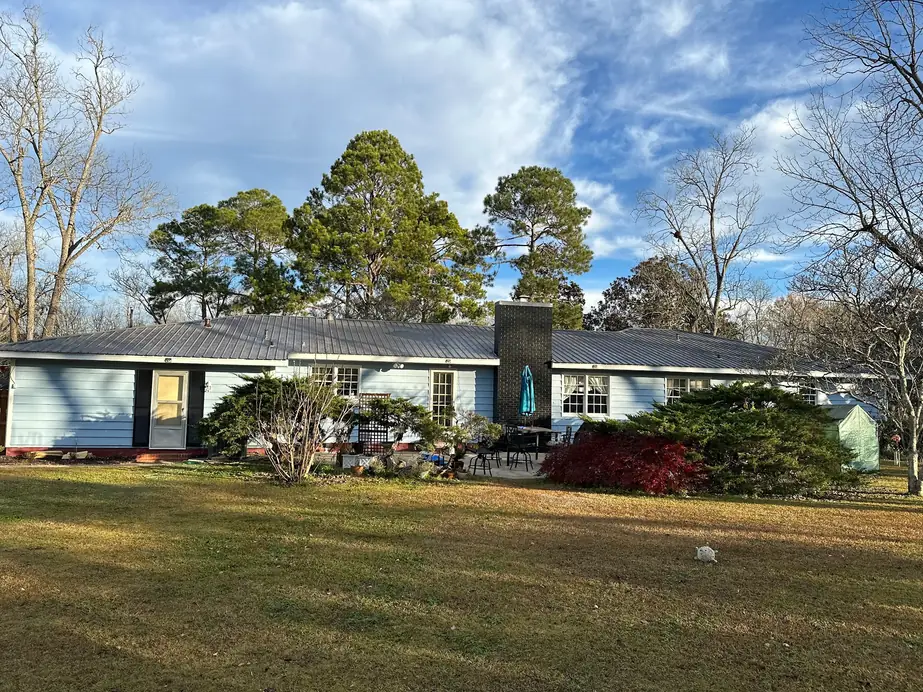
When people picture an exterior repaint, they picture the new color going up. In practice that is the shortest part of the job. A house that has stood in Georgia sun and rain for years has chalky paint, peeling edges, soft spots in the wood and gaps at every joint. Cover all of that with two nice coats and it will look fine for a season, then start letting go in the same places. Here is the work that happens before the color.
Walking the house first
A proper job starts with a slow walk around the whole exterior. The lower courses of lap boards near the ground, the corners, the window sills, the trim around the doors and anywhere a gutter has been overflowing all get a close look. The painter is checking for peeling, bubbling, hairline cracks, dark growth and wood that has gone soft. Pressing a screwdriver tip into a suspect board tells you quickly whether it is sound.
What turns up on that walk decides how long the prep takes. It is also why a fair estimate comes from someone who has actually stood in your yard and looked at the boards, rather than from a guess over the phone.
Washing, scraping and sanding
The surface has to be clean before anything sticks to it. Dirt, mildew film and chalky residue from old paint all act like a layer of dust between the old coating and the new one. After washing, the house needs to dry out fully, and then loose paint is scraped back to a sound edge. The edges are sanded so they feather into the paint around them, because a hard ridge of old paint shows through a new coat as an outline of every peeled patch.
Drying time matters more than people expect. Paint put over boards that still hold moisture can blister later. In the thick, humid weeks of a Middle Georgia summer, a house may need a couple of dry, breezy days after washing before it is ready for anything.
Rotted wood, caulk and the gaps that let water in
Soft or rotted boards, sill sections and trim ends need to be repaired or replaced before they are painted. Paint will cover rot, but it will not stop it. Wood filler handles small dents and nail holes, and anything bigger deserves a new piece of wood.
Caulk goes where trim meets siding, around window and door casings, at corners and over nail holes. The bottom edge of each lap board is normally left open so that moisture behind the siding has a way out. Sealing it shut, with the best intentions, can trap water. It is the kind of detail nobody sees once the job is finished, and it makes a real difference to how long the paint lasts.
A typical prep sequence on a lap board exterior goes like this:
- Walk the house and mark soft wood, peeling areas and failed caulk.
- Wash off dirt and chalk, then let every board dry completely.
- Scrape loose paint and sand the edges smooth.
- Repair or replace damaged wood and fill nail holes and small dents.
- Caulk trim joints and corners, leaving the bottom edges of the lap boards open.
- Spot prime bare wood and patched areas so the finish coat dries evenly.
- Mask windows and protect the plants and walkways, then paint.
Primer, shutters and the finish coats
Bare wood and patches soak up paint differently from the old coating around them. Spot priming evens that out, so the final color doesn't look blotchy when the sun hits it at an angle. Then comes the finish, usually two coats on the body of the house, with the trim, doors and shutters done in a harder, glossier paint than the siding.
Shutters are best taken off and painted separately, front, back and edges, instead of being brushed in place. Painted that way they close up tight against the boards with a clean edge, and you avoid the drips that collect around the hinge side when a shutter is painted hanging.
Heat, humidity and picking the day
Exterior paint cures best inside the temperature range printed on the can, and it needs dry surfaces. A Georgia summer adds two wrinkles. Direct afternoon sun can dry paint so fast on the surface that it doesn't flow out or bond well, so a good crew follows the shade around the house through the day. And morning dew can leave boards damp longer than you would guess. Waiting until the boards are dry, and stopping early enough that the last coat isn't caught by evening dew, protects the work.
Ted and Cristina, who hired Unique Painting, wrote that Earnest and his crew "truly made our house look brand new." A repaint of any kind earns that reaction when the prep has been done properly; the new color just gets the credit.
If your house in Bonaire or Warner Robins is due for paint, ask for an estimate that walks through the prep as well as the color. Earnest at Unique Painting can be reached at (478) 420-1979, and one customer noted he was clear about pricing before any work started.
Unique Painting LLC, (478) 420-1979
Call (478) 420-1979More articles
Why Kitchen Cabinets Need a Different Paint Than Your Walls
A cabinet door lives a rougher life than any wall, and the paint and the process have to be chosen to match.
Why Patches and New Sheetrock Show Through Paint
A patch that shows after painting is rarely the topcoat's fault, and the fix starts under it.